Against Review-Bombing over Political Slights
Slay the Spire 2 is not a worse game because of Anita Sarkeesian's politics

Recently, the deck-building indie roguelike Slay the Spire 2 was review-bombed over an association with the media critic Anita Sarkeesian, flipping reviews from 61% positive to 34% over the course of a few days. No one but the developers seem to know what she contributed to the game, but a single line from her in the credits as a consultant was enough to trigger a strange form of what could charitably be called political protest, or less charitably, harassment.
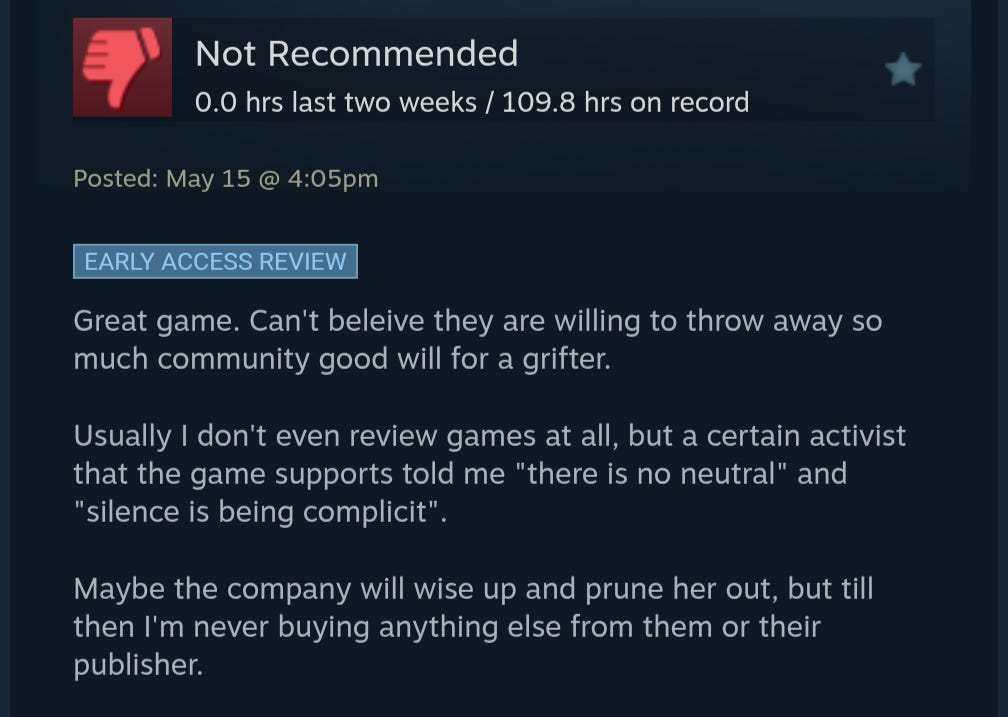
I’m against this on multiple levels. I think review-bombing pollutes the commons, I think it’s bad to do even if you disagree with someone’s politics, and I consider it an egregious example of weaponizing cancel culture, where a small fanatical group can disproportionately throw their weight around and veto other people’s enjoyment of things.
Slay the Spire 2 has inscrutable politics, and that’s fine
Slay the Spire 2 is a game where you play cards to win battles against monsters, and add new cards and upgrades to better win fights in the future. I think it would survive the censorship of basically any fanatical political regime as I truly think it has nothing to say, Andy Weir himself could only hope to aspire to this level of transcending social commentary.
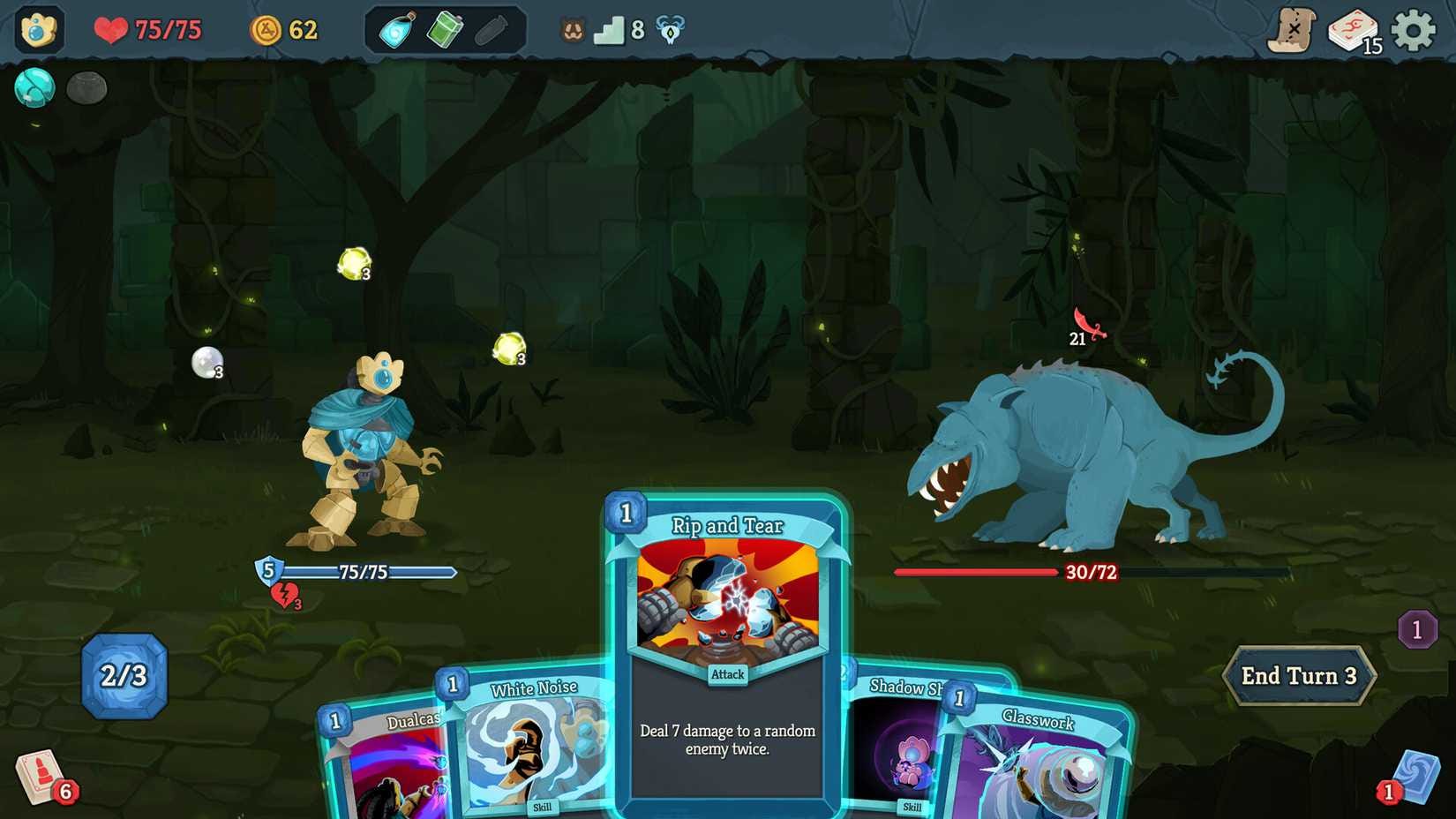
The game is only in Early Access, so maybe by the time it releases the devs will reveal the entire story is a fable endorsing the political rule of the Bull Moose Party. Maybe Anita Sarkeesian is at work in the background applying her feminist chops to turn the game into a masterpiece that heals gender relations worldwide, sending birthrates soaring back to replacement levels and solving politics forever.
Or maybe it’s just a silly card combat game that attempted some due diligence to avoid alienating female players, and some people are determined to fight the culture war on every front despite the collateral damage.
Against cancelling people for not cancelling people
In an ironic twist, I am only familiar with Anita Sarkeesian thanks to the accidental promotion done by people who dislike her. If you are smart enough to have avoided the mind poison that is the online culture wars, you might not be aware that Anita Sarkeesian is a media critic who focuses on depictions of women in video games, earning her speaking spots at a United Nations panel and TEDxWomen, and some harassment from people opposed to her perspective. I have not reviewed her work in depth, but I have a high-level impression that I would agree with some of her takes, and disagree with others. This is normal and healthy; if you’re not downloading all of your beliefs from an online hive mind that enforces compliance through shaming and harassment, you might be the only person on Earth with your exact combination of political and artistic views, and we all need to live with each other.
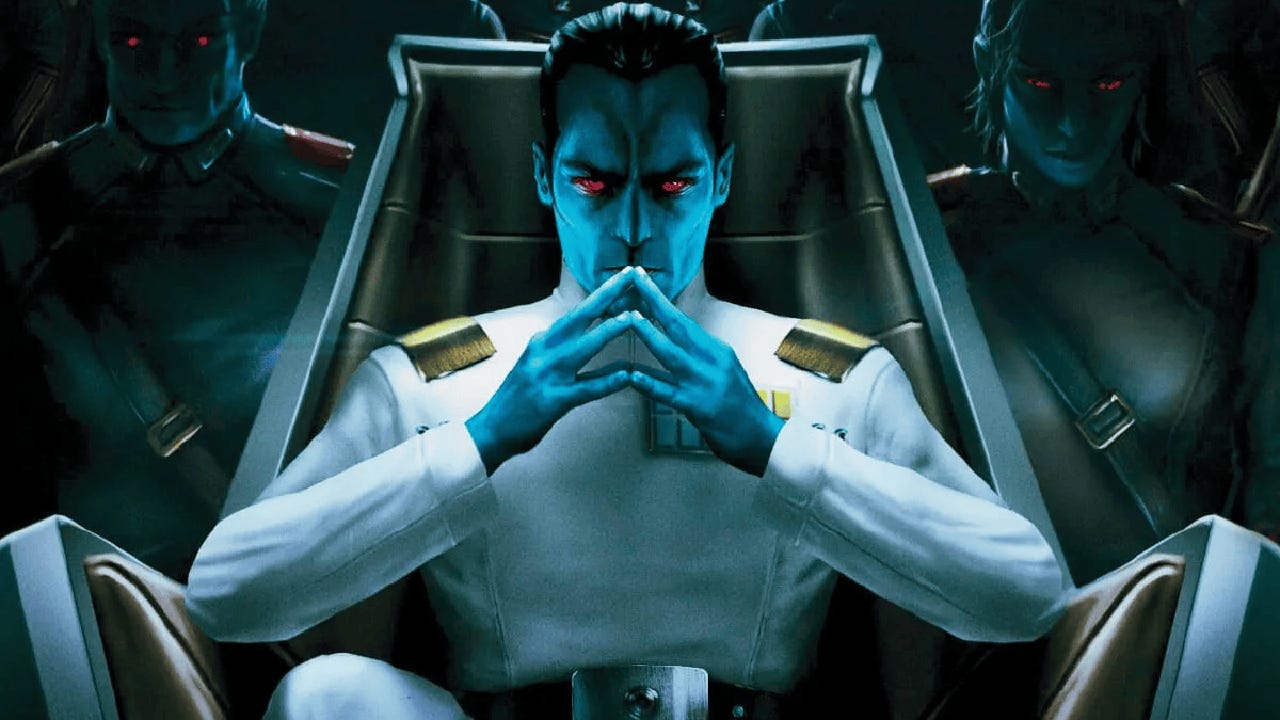
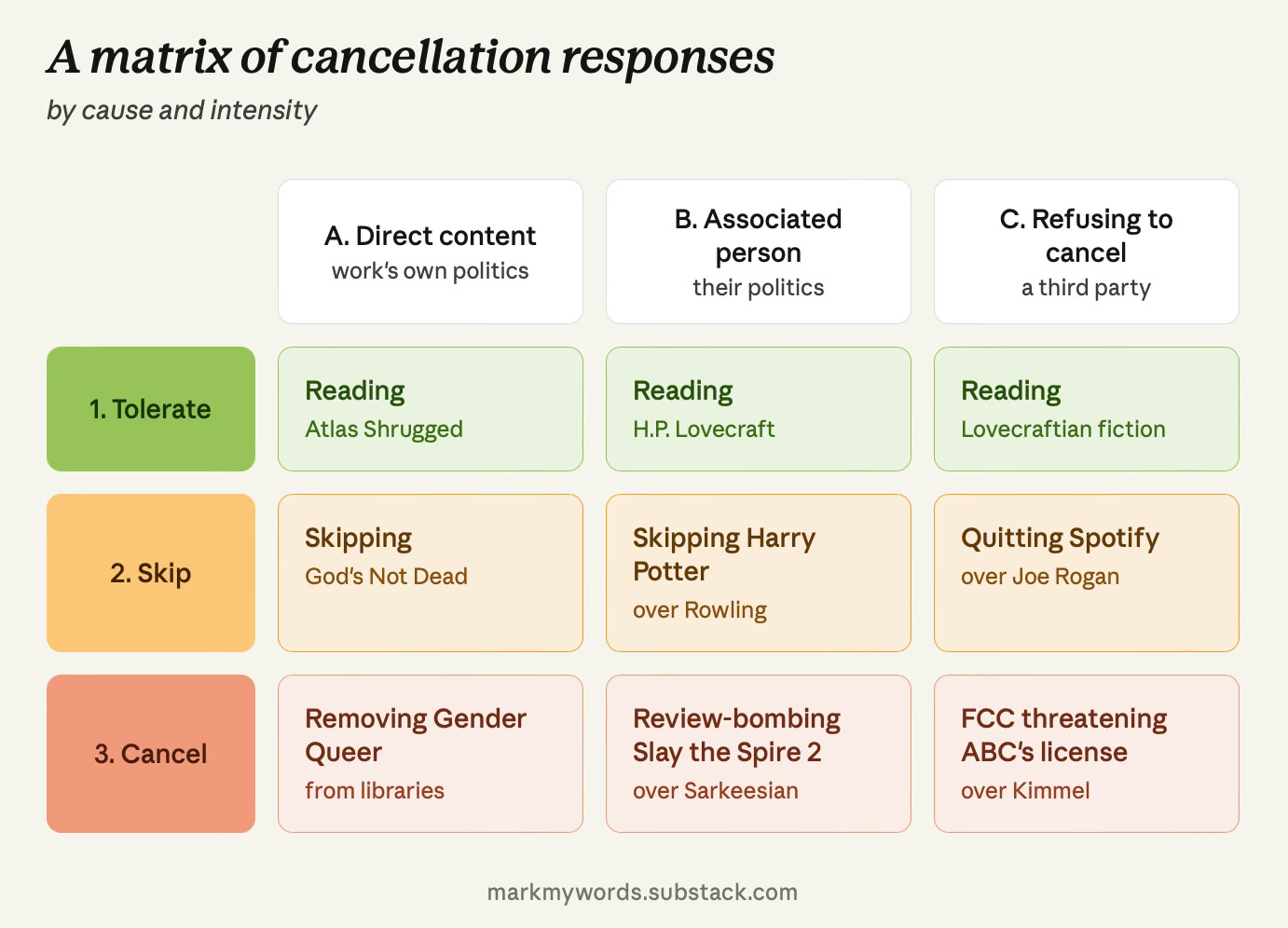
The Slay the Spire 2 case particularly grates on me because of how far it falls on the continuum of cancellations. Some people are like the Star Wars villain Grand Admiral Thrawn and openly consume the art of their enemies, to better understand them and perhaps destroy them. Some people have an aversion to art deeply at odds with their own worldview (although does anyone really endorse the politics of Grease?), and some people prefer to dissociate from an author who has the wrong politics, even if those don’t show up in their work.
I can make some allowance for taste; I can understand not wanting to watch a movie because the characters draw on tired stereotypes or actively push ideals you despise, hurting your own enjoyment. I think it’s bad form to attempt to knock a piece of art out of the marketplace because you personally dislike it or police authors for their views, and it borders on full epistemic closure when you attempt to cancel people for not cancelling the same people you want to cancel, as you attempt to build a sealed economic bubble of people who agree with you on everything.
Turnabout is not fair play on Cancel Culture
I think it is worth sharply distinguishing the following categories:
Not spending time or money on something you dislike
Criticizing something you dislike
Trying to take something you dislike off the market
Some critics would say that Anita Sarkeesian herself is an example of category #3, depicting her as an outsider trying to ruin their hobby by making it cater to her tastes rather than theirs. Even if you wouldn’t want Sarkeesian’s views to be the dominant force in game development, that’s an unfair burden to put on anyone: it’s fine to have your own personal opinions and express them. If her views represent a significant share of your potential market, it may even make sense to take them into account, depending upon the market you’re trying to reach.
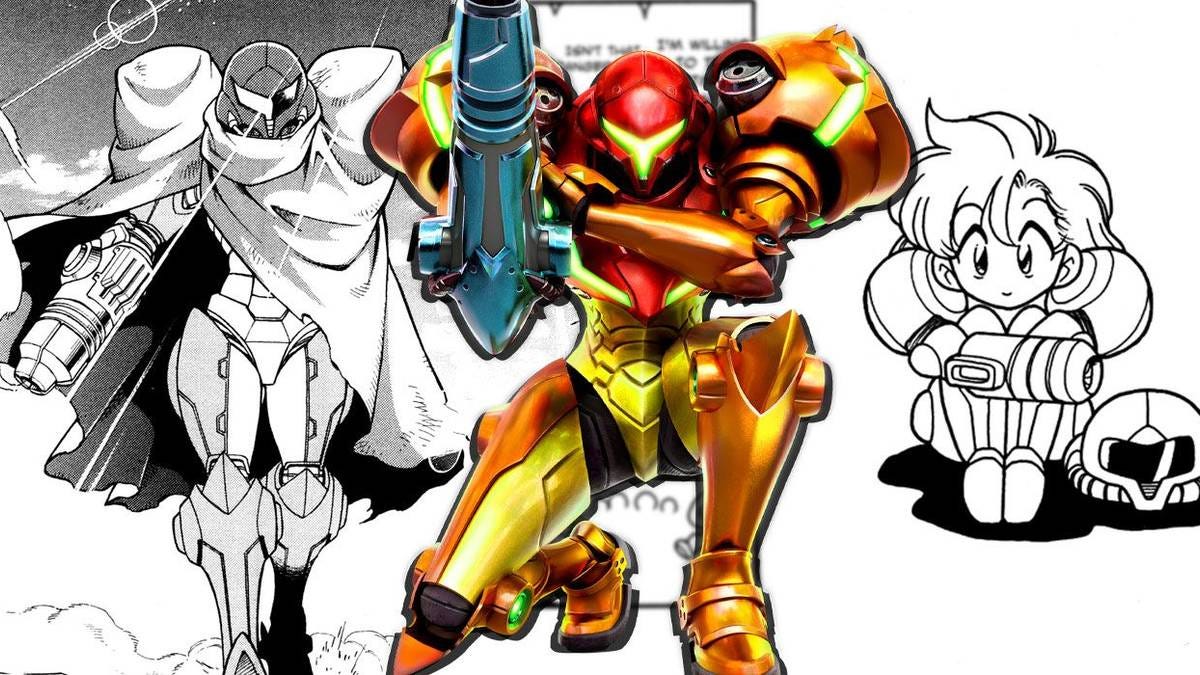
Inevitably, some games will cater to the interests of teenage boys who make up a significant share of people who play video games, some may cater to women of different ages, and some may thread the needle to reach a broad audience. I think it’s completely fine that some fiction ends up being “Twilight for guys”, putting their protagonist at the center of love triangles like Commander Shepard of Mass Effect who commits countless HR violations and makes life-or-death decisions about the members of his space harem who are partly there to swoon at him.
There’s clearly a market for games where the entire supporting cast are player-sexual options in a disguised dating sim, which is fine! Not everything is for everyone, and not all fiction has to be a perfectly representative map of reality. I think James Bond can exist as an over-the-top character and trust the audience to not use him as their role model for ideal dating or drinking practices. The arc of moral progress does not require a complete flattening of art into propaganda! Fiction can be a window to the world, not just a prism that refracts the entire human experience into a polemic for your specific ideology!
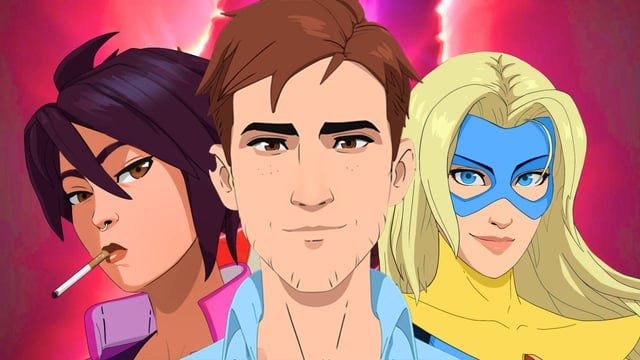
I think it’s fine to enjoy Bond movies and it’s fine to dislike them or even advocate that they be different, people expressing their views is how things evolve or spin off new variants. You could argue that some criticism borders on cancellation, if it attempts to pressure companies by saying some art is unacceptable to exist at all. We should all be prepared to defend to the death the right of people to make terrible art, but there’s a certain kind of weird paranoid hypocrisy in someone who thinks their enemies are out to personally destroy their hobby, while they themselves review-bomb people making art not tailored to them. We are very clearly not at the mutually assured destruction phase of the culture wars when there is more art than ever before being released to cater to different tastes, even if prominent franchises flip-flop in their politics while bad-faith actors on social media hype people into joining cancel mobs.
People disliking something is not a meaningful signal
There is a certain amount of trust baked into the review system. I dislike horror movies, and I’m not alone in feeling that way. If I were to rally as many people as I could to review-bomb horror movies, sometimes sight unseen, every person involved might be honestly reflecting their preferences, while adding negative signal to anyone who wants to judge from reviews whether they would like a particular movie.
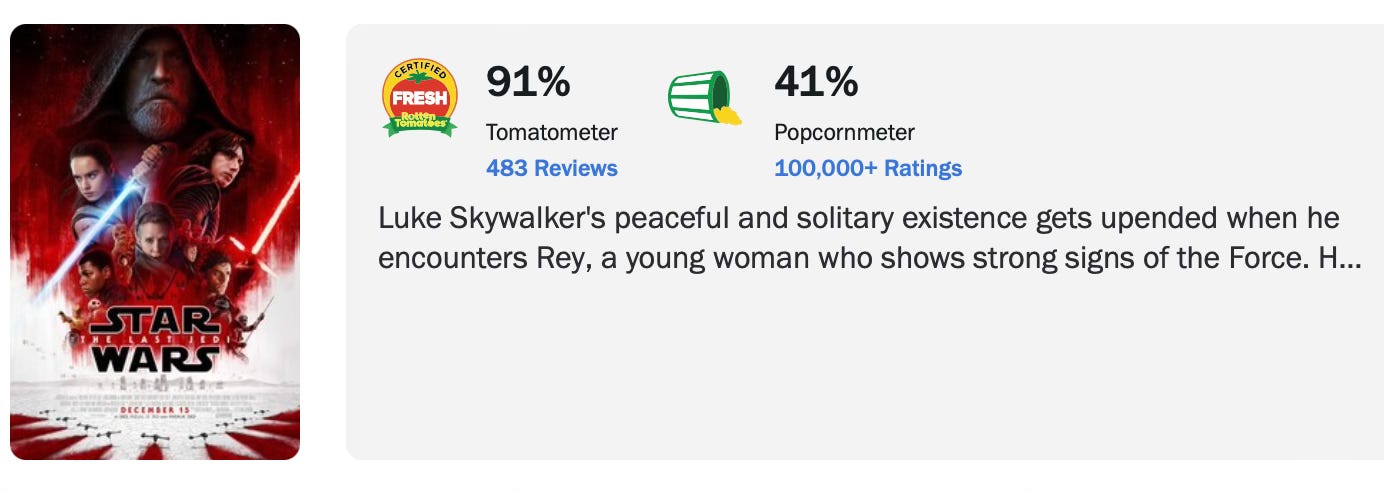
I’ve written things strangers have told me that they’ve loved, while close friends or family told me they could not get through it, a sentiment I hope they don’t put in reviews as they self-select out of the target audience. It's a running gag that you can look up what are widely regarded to be the greatest works of human literature on Amazon and Goodreads, and find them flooded with one-star reviews. A lot of people disliking something tells you very little—if it comes from a random sampling of people who honestly thought they would like it in advance, that's significant, but harvesting a bunch of haters from across the Internet proves nothing.
Some websites like YouTube now hide dislike counts, or only offer positive feedback mechanisms like Substack does, to help avoid this problem. I do think there’s useful signal in a system where people engage in good-faith criticism of something they’re the target audience for, but the Slay the Spire 2 review-bombing strikes me as a case of outsiders trying to ruin a hobby for everyone else by politicizing something that wasn't political, as some of Sarkeesian's opponents become the very thing they claim to hate.
Focus on what you love, not what you hate
Cancel Culture is a cursed sword that corrupts anyone who wields it. Its evil is apolitical, people will howl at its usage by their enemies but pick it up the moment it serves their purposes. Its blade is double-edged, many of its most aggressive proponents have been destroyed by the demon they unleashed after some unearthed offense exposed them to the wrath of a mob they used to lead. There can be no freedom without the freedom to be wrong and the freedom to say that two plus two equals four, even in the face of Armageddon I will not compromise on this.
Even if Slay the Spire 2 is somehow on a track to transform its storyline into the industry’s first example of virulent anti-male hatred, I would not want to get dragged into this kind of nonsense where I obsess over it. From what I’ve played so far, I like the game and don’t expect that to change. If it somehow does, I’d rather focus my time and energy on the things I like, and promote art that feels worthy of my attention, while assuming the rest isn’t for me.
If you agonize over the James Bond stories having too many dated tropes for the modern era, or agonize about them bringing back the tropes that made the older movies fun and campy, you will be at the mercy of someone else’s whims in how they handle a franchise you don’t control. There is always going to be art you don’t like, but if you seek out and promote the stuff you enjoy, you can direct energy and attention to the things you love to get more of them. And if no one is making things you like, you can work to help fill in what you think is missing from the artistic landscape, hitting an underserved market.
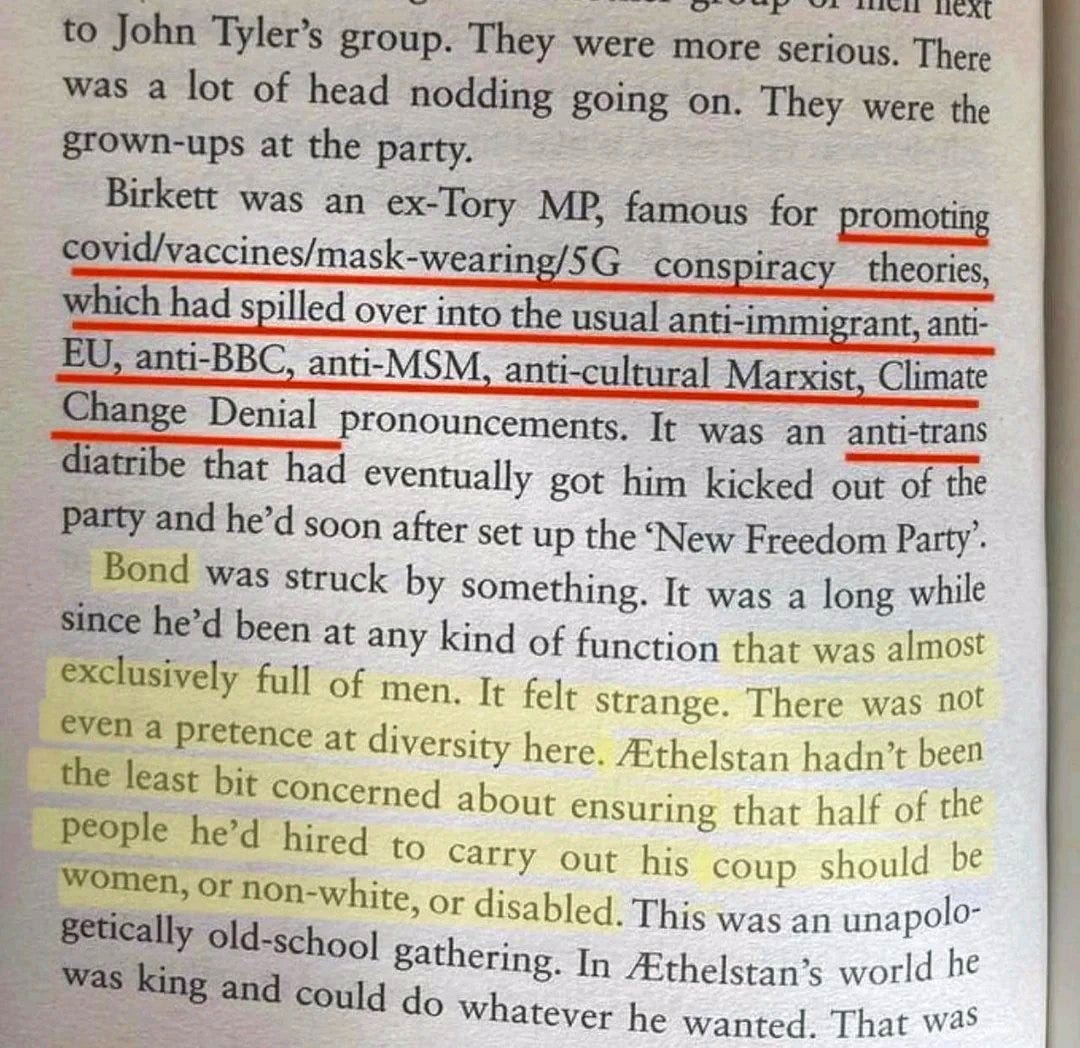
Hatred is the path to the dark side
George Lucas once said, in a recalled quote:
You can't change the world. It's not possible. All you can do is try to make your own world and then invite other people to be a part of it.
Your heart will never know peace if you make the removal of art you don't like a necessary condition for your happiness. Joining an online crusade can feel inspiring and give the impression of making a difference, when you may just be sending more attention to what you hate and feeding the beast. Every franchise and genre will make stuff against your tastes sometimes, there was lots of subpar Star Wars content before Disney ever got involved. The only way to not waste your time and energy is to ignore most of it, particularly when the alternative may be fighting with sincere fans who are getting what they want.
Focus on what you love. I think this is advice worth following, even if this entire post is an example of me failing my own principles and brushing up against the dark side to save others from that fate.
Substack comments are text only but I found it funny that this is basically the sentiment of your post given your comment on the last jedi within it
https://i.redd.it/b6xgj79t3epf1.gif